
Electrocardiogram: what it is, what it's for, and when you should get one
The heart functions thanks to electrical impulses that coordinate each heartbeat and allow blood to circulate properly throughout the body. When these impulses are disrupted, symptoms such as palpitations, dizziness, chest pain, or shortness of breath can occur.
To evaluate the heart's electrical function, there is a quick, safe, and non-invasive test called an electrocardiogram (ECG). This test is one of the most widely used diagnostic tools in cardiology and allows for the timely identification of various cardiac abnormalities.
According to the World Health Organization (WHO), cardiovascular diseases remain the leading cause of death worldwide. For this reason, early detection and control of risk factors are essential to protecting cardiovascular health.
Understanding what an electrocardiogram is, when it is recommended, and what information it provides can help you make timely decisions for your heart health.
What is an electrocardiogram?
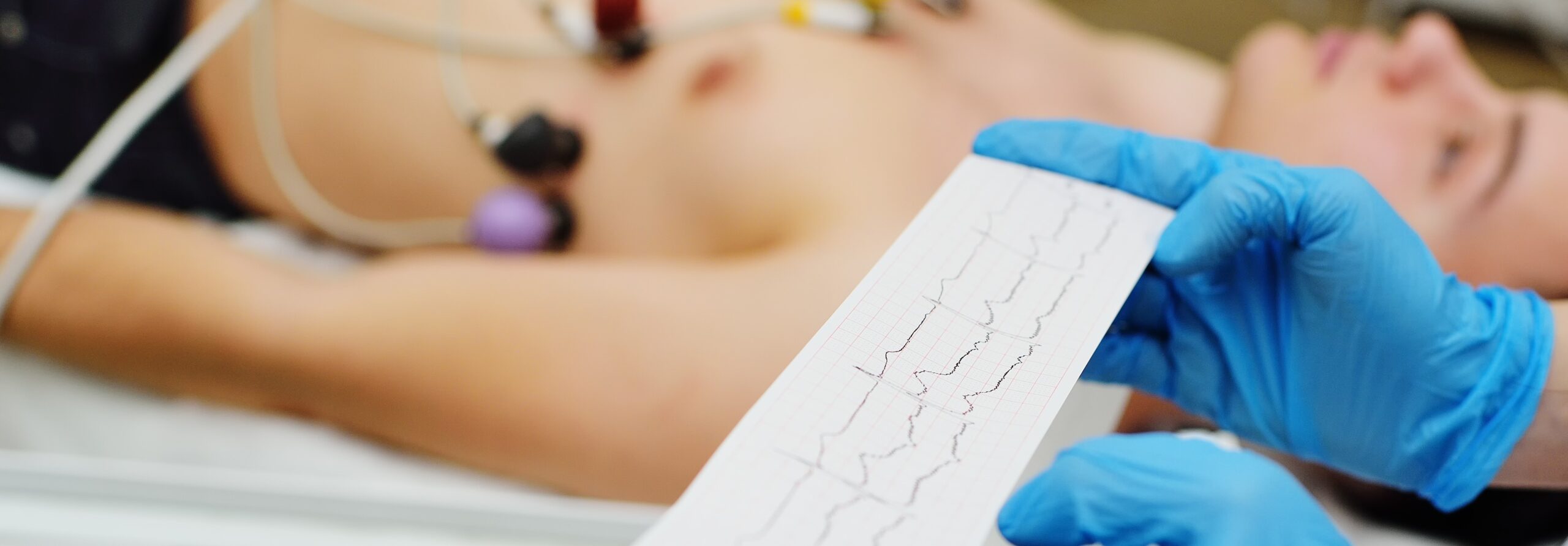
An electrocardiogram (ECG) is a test that records the heart's electrical activity using small sensors called electrodes, which are placed on the skin of the chest, arms, and legs.
Each heartbeat generates electrical impulses that are captured by the equipment and displayed on a graph, allowing the doctor to evaluate the heart rhythm, heart rate, and any abnormalities in the heart's electrical conduction.
It is a simple, painless, and short procedure that can be performed both during scheduled appointments and in emergency situations.
What is an electrocardiogram used for?
An electrocardiogram is a fundamental tool for the diagnosis and monitoring of various cardiovascular diseases.
Among the main conditions it can help identify are:
- Cardiac arrhythmias or heart rhythm abnormalities.
- Rapid or slow heart rate.
- Signs of acute myocardial infarction (heart attack).
- Coronary artery disease. • Abnormalities in the heart's electrical conduction.
- Changes related to high blood pressure.
- Enlargement or overload of some heart chambers.
It can also be part of preventive medical checkups, preoperative evaluations, and monitoring of patients with a history of cardiovascular disease.
How is an electrocardiogram (ECG) performed?
During the procedure, the patient lies down while several electrodes are placed on the skin.
These sensors record the heart's electrical activity and transmit it to the equipment, which generates a tracing for later analysis by the doctor.
The test usually lasts between five and ten minutes and does not require needles, injections, or invasive procedures.
When is an electrocardiogram recommended?
The doctor may order this test when there are symptoms that suggest a possible heart problem or when a preventive evaluation is required.
Some of the most frequent situations include:
- Chest pain or pressure.
- Palpitations or a sensation of irregular heartbeat.
- Dizziness or fainting spells.
- Shortness of breath.
- Personal or family history of cardiovascular disease.
- High blood pressure.
- Diabetes.
- Medical evaluations before surgery.
- Preventive checkups for people with cardiovascular risk factors.
How to prepare for an electrocardiogram?
In most cases, no special preparation is required.
However, it is recommended to:
- Wear comfortable clothing.
- Avoid using creams or body oils on your chest on the day of the exam.
- Inform the doctor about any medications you are taking.
- Follow the specialist's specific instructions if there are any particular conditions.
Are you experiencing any of these symptoms? Consult a specialist.
If you experience chest pain or pressure, palpitations, shortness of breath, dizziness, fainting, or fatigue without an apparent cause, it is important to consult a cardiologist for a specialized evaluation. Depending on the individual case, the specialist may order diagnostic tests such as an electrocardiogram (ECG), which evaluates the heart's electrical activity and allows for the timely identification of potential cardiovascular problems.
At Hospital Serena del Mar, the Cardiology Department has specialists and diagnostic technology for the evaluation, diagnosis, and monitoring of cardiovascular diseases, offering comprehensive care focused on early detection and heart health.