Parkinson's disease: everything you need to know.
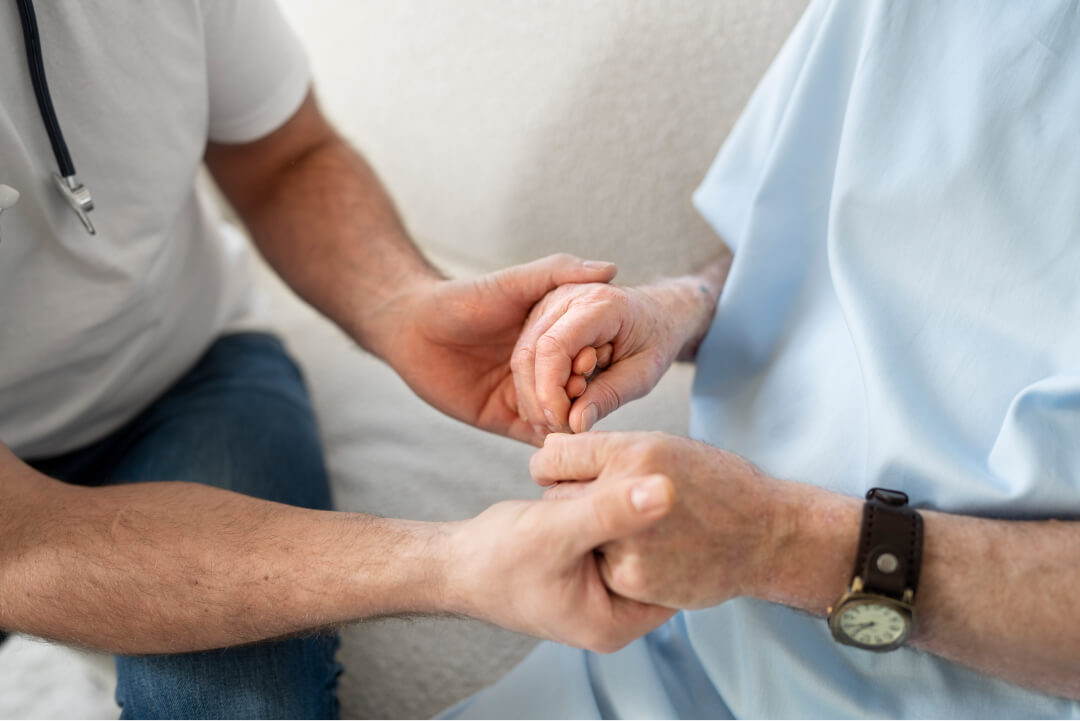
April 11th is World Parkinson's Day, a day to raise awareness about this progressive disorder that affects the nervous system, causing movement and sleep disturbances, mental health problems, pain, and other health issues.
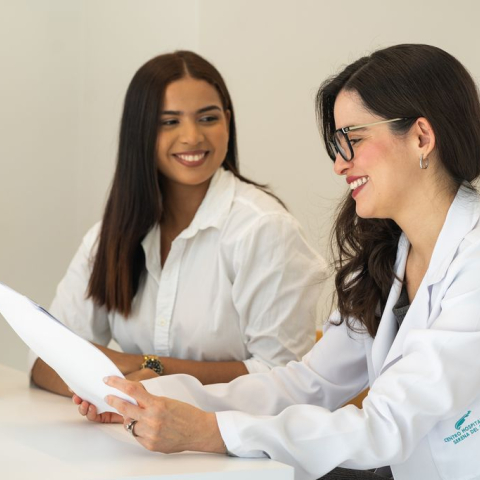
At Serena del Mar Hospital, we discussed the reality of this disease with Dr. Manuel García, a neurology specialist, who highlighted that Parkinson's is the second most common neurodegenerative disease in the world and that it is estimated that between 9 and 10 million people are living with it.
Symptoms
The symptoms of Parkinson's disease can vary depending on each person's individual circumstances. According to Dr. García, they can be classified as motor and non-motor symptoms.
Motor symptoms, which are usually more common, include rigidity, tremors predominantly at rest, slowness of movement, postural abnormalities, gait instability, and decreased facial expression.
Non-motor symptoms are more commonly associated with depression, sadness, mood swings, constipation, dizziness, sleep problems, and cognitive difficulties.
Treatment
According to the World Health Organization, Parkinson's disease primarily affects older adults, especially those over 60; however, it can sometimes appear earlier in patients under 50.
Dr. Manuel García, a neurologist at Hospital Serena del Mar, maintains that treatments, particularly medications, can reduce symptoms. He also mentions that some patients, depending on certain characteristics, may be candidates for surgery or neurostimulation.
It is important to note that Parkinson's treatment requires a multidisciplinary approach with diagnosis and follow-up by neurologists, psychiatrists, rehabilitation specialists, and physiatrists to prevent complications such as pain, falls, and muscle contractures.
Finally, Dr. Manuel García emphasizes that Parkinson's disease is caused by a decrease in dopamine levels in certain structures of the nervous system involved in various functions, both motor and non-motor. Therefore, it is necessary to consider the following:
Visit a neurologist to minimize the motor and non-motor symptoms of Parkinson's.
Regularly review the treatment to make necessary adjustments and avoid potential complications, as it is a neurodegenerative disease that tends to worsen over time.
It is very important that the neurologist diagnose the disease and rule out other conditions similar to Parkinson's.
Early symptoms of Parkinson's have a hereditary component, but it is not necessarily a hereditary disease.
.jpg)