Let's talk openly about mental health

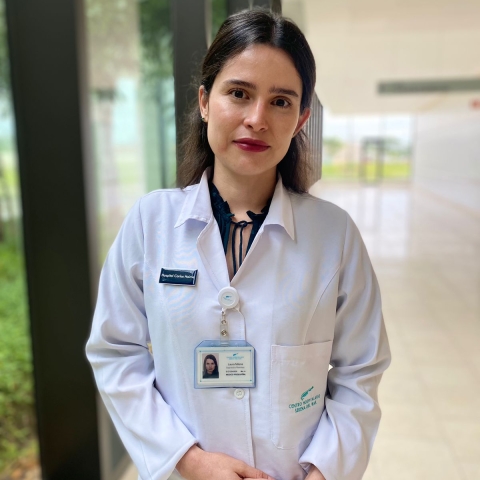
It is very likely that many people who suffer from a mental health condition or illness are unaware of it and often do not share it because they fear the opinions and rejection of others, or even feel ashamed, since these conditions are usually associated with weakness or situations that belong to the private sphere and should be hidden. Juan Manuel Escobar, a psychiatrist at the Serena del Mar Hospital in Cartagena, maintains that the fact that mental health illnesses are rarely discussed does not mean they are not common; this is evidenced by the fact that depression is currently the leading cause of disability worldwide. Therefore, it is necessary to give this issue the importance it deserves and have open discussions in all settings, such as our homes, schools, universities, and workplaces, and not just in doctors' offices.
Pay attention to adolescents and pregnant women.
Similarly, Dr. Laura Saavedra, a psychiatrist at Serena del Mar Hospital, confirms that mental health issues have been increasing across all populations, especially since the pandemic, and particularly, and rapidly, among adolescents between 10 and 15 years old. Depression rates in this age group have risen considerably, with adolescent girls being even more vulnerable. There has been a significant increase in self-harming behaviors such as cutting and suicide attempts, which has been linked to exposure to social media and the aesthetic and social pressures it exerts on this specific population. This is the leading cause of death among adolescents (both male and female) between 15 and 19 years old, according to the Centers for Disease Control and Prevention (CDC). Adolescents with diverse sexualities or gender expressions are at even greater risk.
Another highly vulnerable group is comprised of pregnant women and postpartum women. This specific period is the one with the greatest risk to mental health in these individuals' lives. Death by suicide in the perinatal period (pregnancy or the first 12 months postpartum) is a tragedy that profoundly impacts the family and society. While difficult to imagine, it is a frequent occurrence, accounting for up to 39% of deaths during this period. For some years now, it has been the leading cause of death during the postpartum period (up to one year after birth), with the risk being higher in Afro-descendant populations and other minority groups. A history of mental health conditions is present in up to 37% of cases. In response to this situation, organizations such as the World Health Organization have implemented numerous strategies and initiatives aimed at educating healthcare workers and the community at large on these issues, in an effort to save lives.
No more taboos
There are always things we can do to take care of our mental health. Psychiatrist Laura Saavedra explains that there are various aspects that can be addressed to improve mental health, including healthy lifestyle habits such as a balanced diet, regular water consumption, physical activity, and other measures like sleep hygiene, limiting screen time, and avoiding psychoactive substances. She also mentions other strategies that can be learned using widely available audiovisual resources on reliable and reputable websites, such as stress management, coping with challenging life stages, and assertive communication in social and romantic relationships, among others.
Similarly, it is essential to promote preventive rather than reactive mental health interventions everywhere, especially in areas where people are at higher risk of mental health problems, such as healthcare workers, those involved in organizations that assist victims of violence, or journalists working in conflict zones.
Therefore, just as everyone gets a regular general medical check-up, specialist Laura Saavedra recommends that people should be able to see a mental health professional for a periodic check-up and whenever they experience significant emotional distress, to receive help through psychotherapy (a treatment that uses psychological tools transmitted through language and that seeks to restore emotional well-being), receive a timely and accurate diagnosis, and, if necessary, other treatments that may be required.